What have I been up to? That will remain a mystery, especially to me.
Without any ado (let alone further), this is my annual Sundance culture and style guide. It’s also the last year of the festival in Park City, Utah, which might benefit from additional context (for the uninitiated, here are my write ups for 2024 and 2025).1
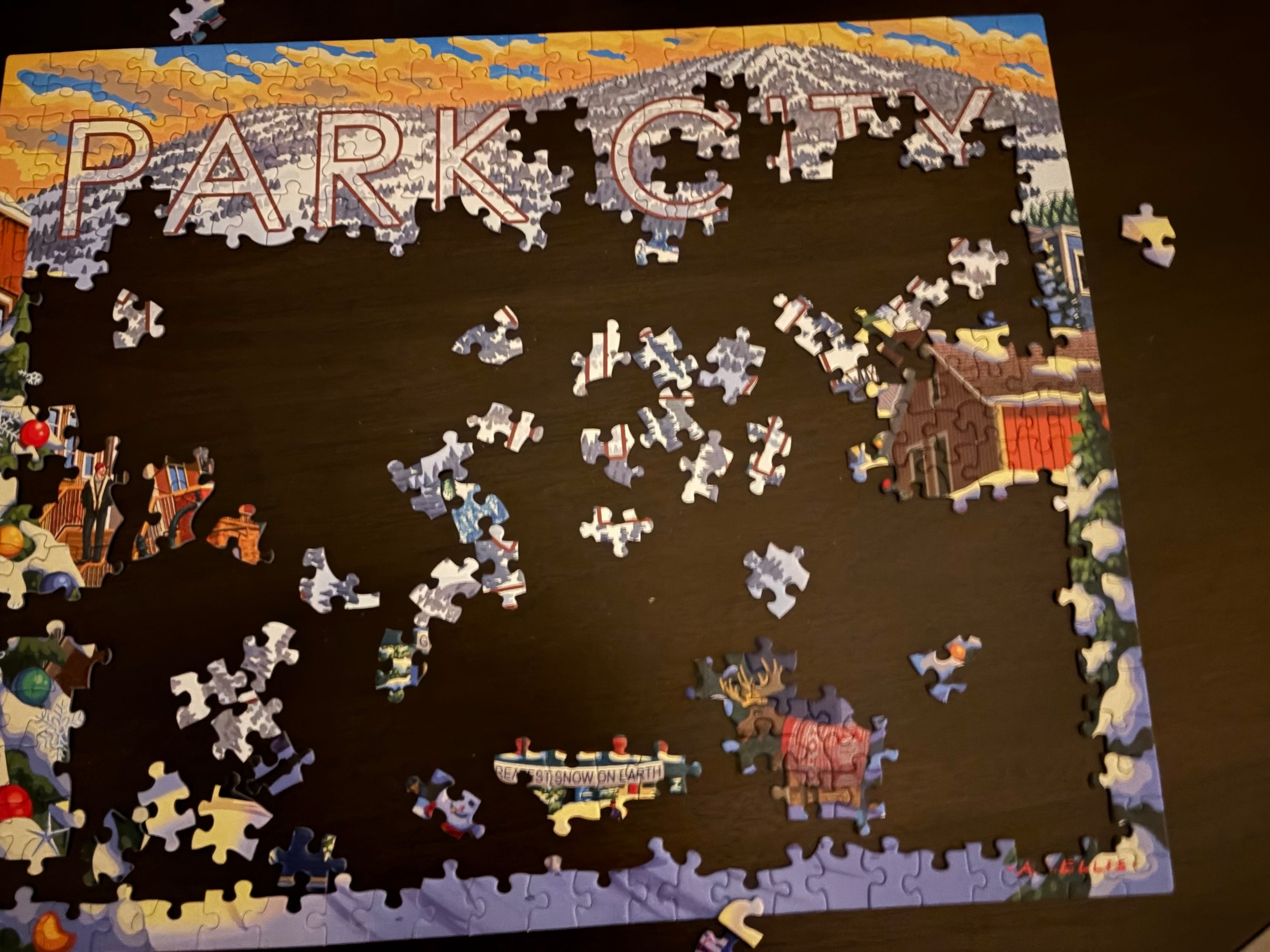
This is not a metaphor about figuring out Sundance or building your party grid. Rather, there is always time for a jigsaw puzzle in the mountains.
Having started a small tiny business in August, I wasn’t necessarily looking to go waste money attending Sundance this year (to the extent I had no client projects premiering or other pressing business being there). Then, in an incredible stroke of luck, a friend from high school reached out and let me know his family’s mountain home was available and would I like to stay with him? A bargain was struck—free lodging and I would try to show my old friend how part of the movie business works (or doesn’t) in 2026.
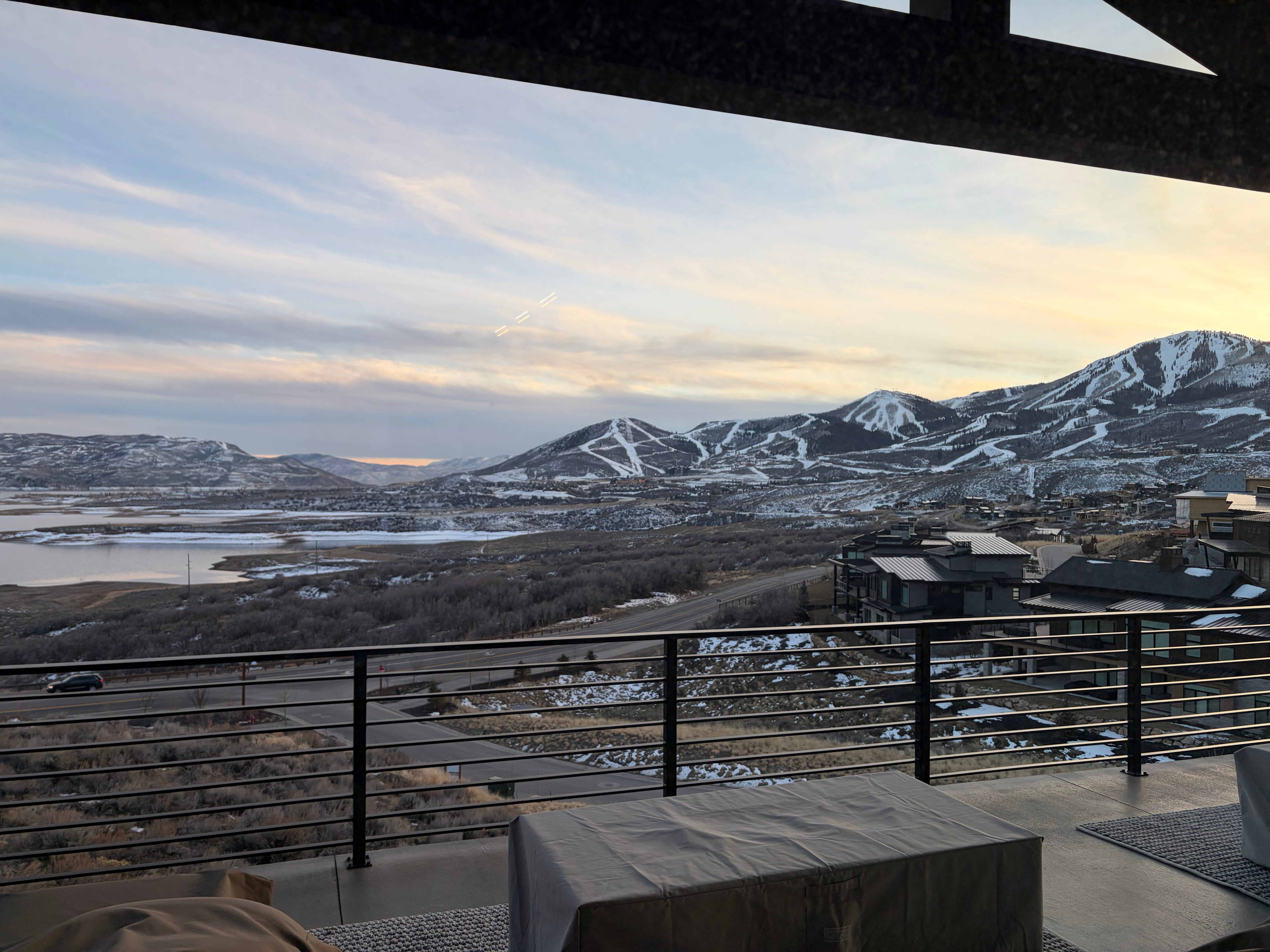
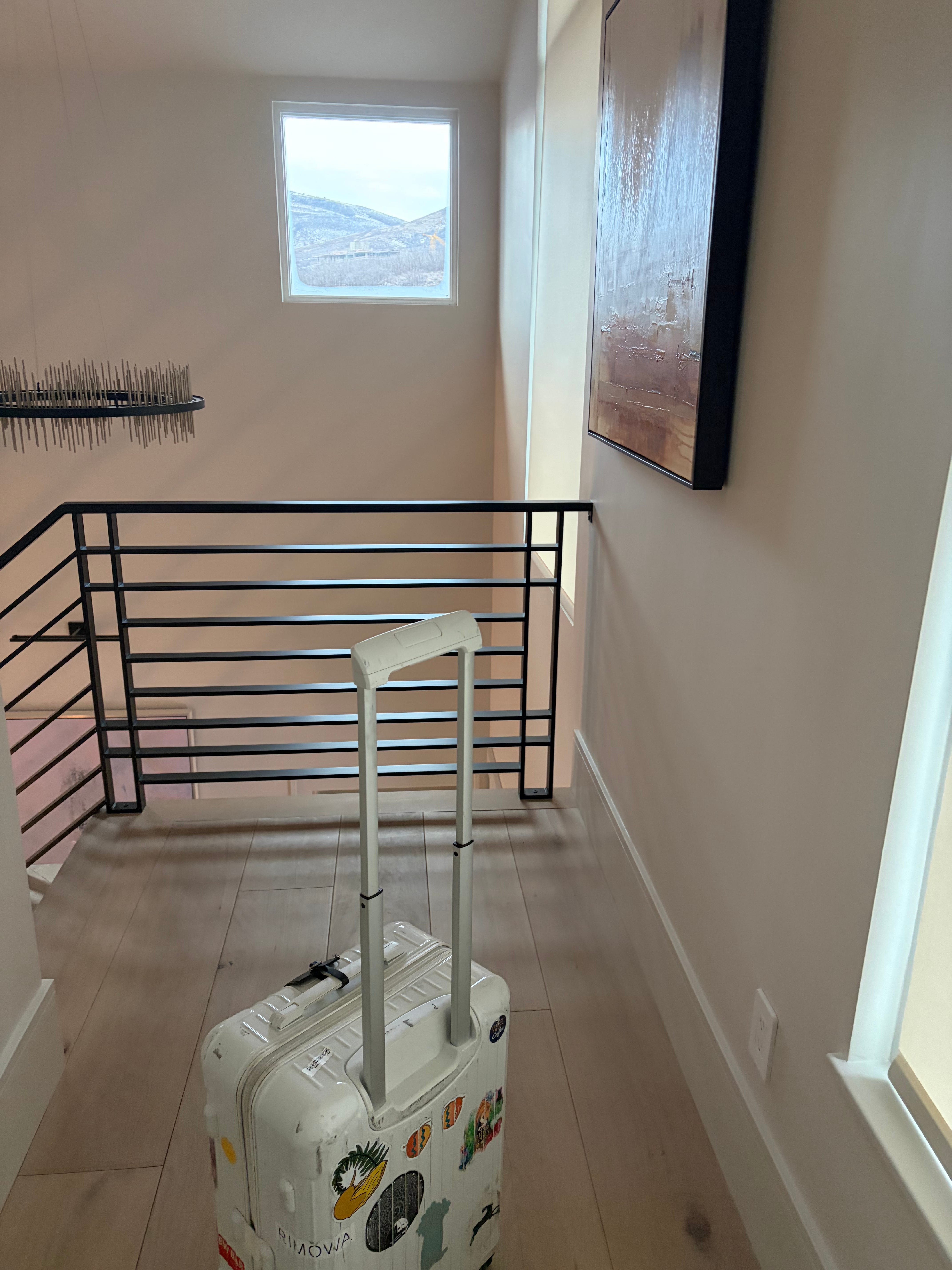
A free stay with majestic views of the Jordanelle Reservoir.
The Sundance Film Festival is nominally a film marketplace. New theatrical products are screened for audiences, and the underlying hope/assumption is that the atmosphere created by so many cinéastes in one place might help generate a higher sales price for the films. It seems to work [citation missing, I’m not Matt Belloni].
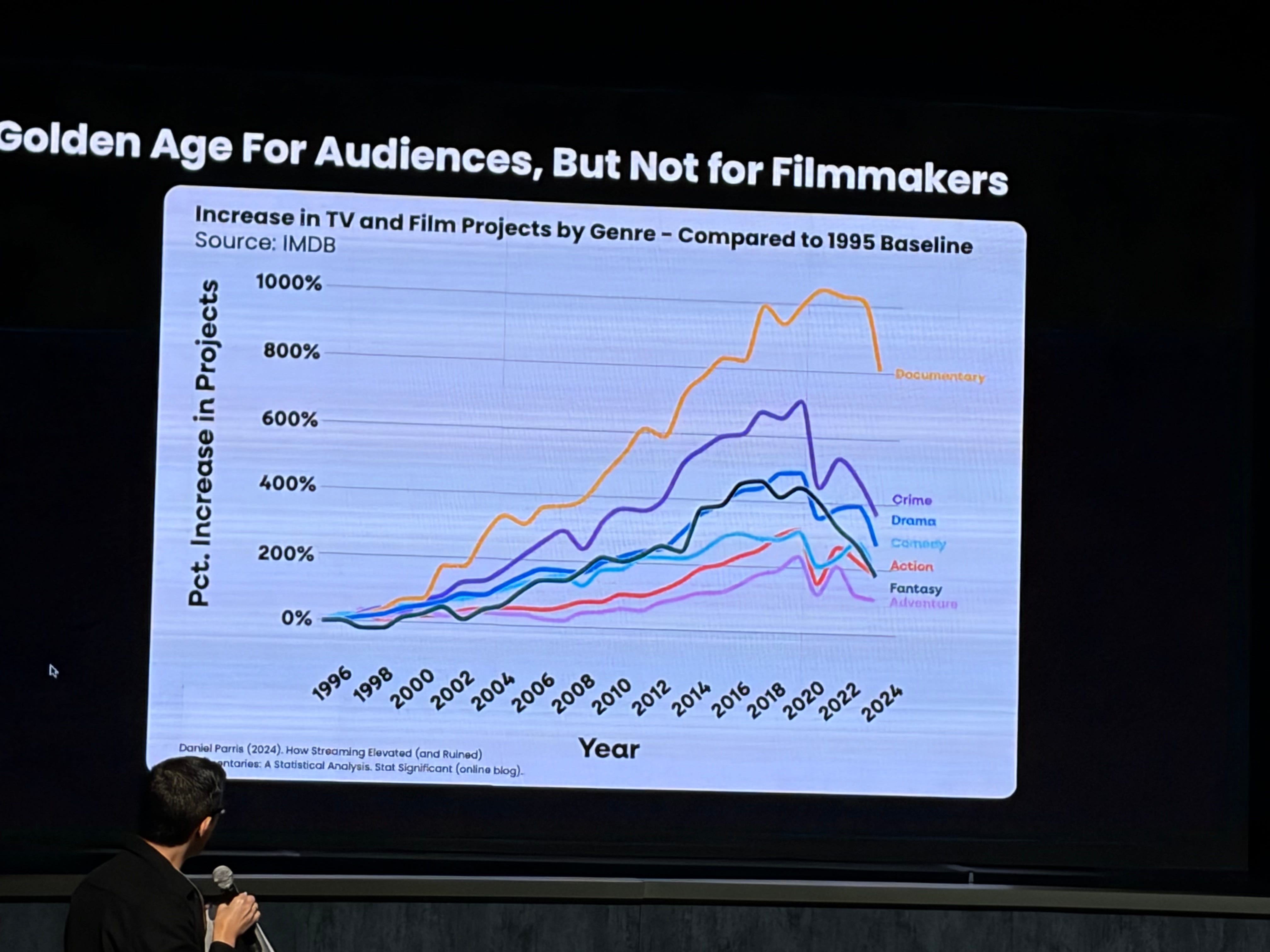
This photo is sort of unfair, as it was one slide in a very long slide deck of substantive stuff.
What the festival does reliably generate is great, observable culture and conversation around the margins. That decorative fluff in proximity to the festival is why I like to come back. With patience, you can have deeply engrossing conversations about the history of humanity’s irrepressible need to tell stories while unrepentantly partying in an inane brand activation space.
Some of the brands in question—a friend and I started counting up the number of spaces controlled by Amazon alone (IMDB, two different spaces for Audible, etc).
The festival is simultaneously a deeply invigorating reminder of (i) how satisfying it can be to work in, or near, the arts2and (ii) how inescapable the windrowing machines of capital are, for they must ceaselessly find new people and ideas to reap; each beautiful thing is taken up and, having been regarded, is obliterated and merchandised beyond recognition. The unspoken, but near universal, fantasy of a festival like Sundance is one of selling out—a painstaking, perfect jewel of a film made with limitless passion and craft, is acquired at a buzzy mark up by some distributor and made available on a United Airlines chair seatback, or buried under 8 eight layers of nested menus on Amazon Prime. Documentarian John Wilson has a short video essay about the festival experience from 2017 that I can’t really add to or improve upon:
Jibes about access and corporate money aside, this sort of festival is my favorite kind of high/low (or, you know, sublime/prosaic) thing to go and do. And for people who believe in film (I’m increasingly one of them), it can be a real shot in the arm—a nice reminder about why any of us do this.
II. Hats, Omens and Portents
Some of my favorite discussions on the circuit take up the thankless, but necessary task of trying to scry the media fortunes of the future. Discussions at the Friday night cocktail parties include the cross-border future of dealmaking and general confusion about cowboy hats (why now? when will they stop? how does one wear it? do I dare to eat a peach?). I’ve wanted a cowboy hat for the mountains for a few years now, so I was happy to have commissioned one from Los Angeles-based hatmaker Gilberto Marquez of Marquez Clásico.
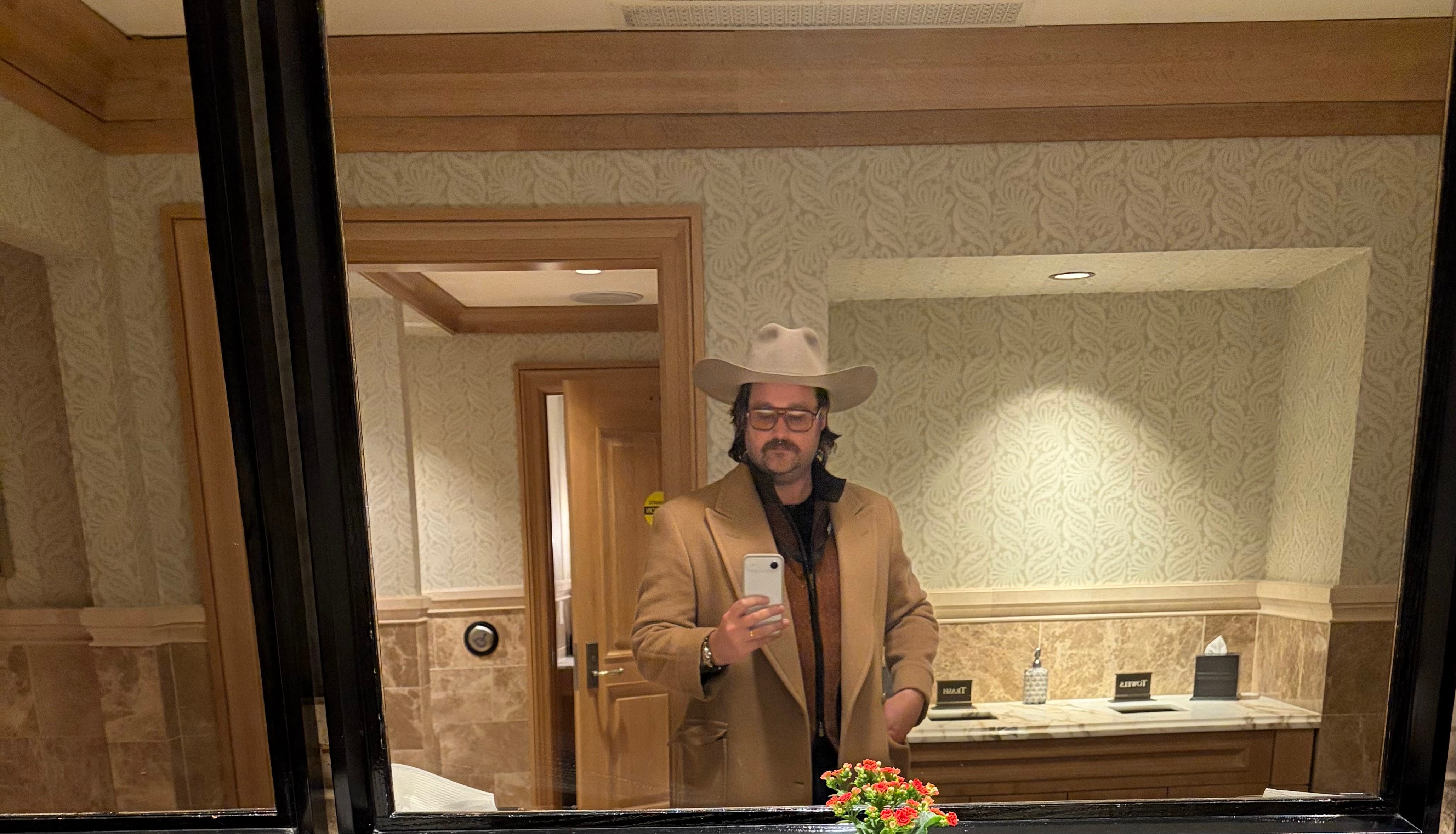
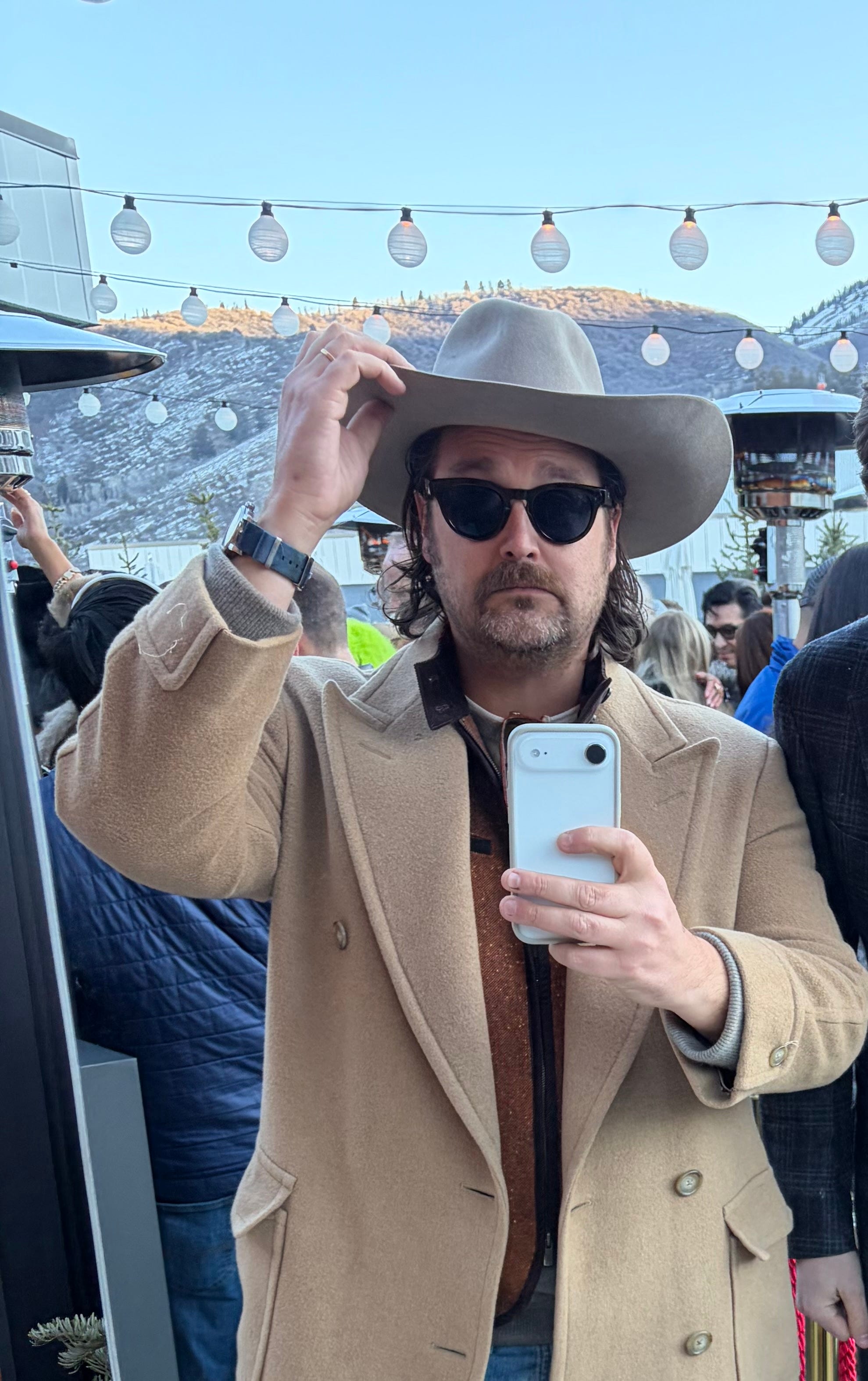
A silver belly beaver fur hat in a classic Tejana shape (Marquez Clásico), paired with vintage camel hair polo coat from Brooks Brothers (eBay).
On cowboy hats, I have some theories about why they are everywhere, but more observation is needed. I have a nice little diatribe I’ll offer to casually interested parties about the crucial heritage of the cowboy hat outside of the United States—it’s a hat shape from Mexico and its adjacent subcultures, where it carries its own connotations (artists, vaqueros and revolutionaries have all embraced this hat at various times). By contrast, the way cowboy hats are worn in the United States usually makes me think of those awful Taylor Sheridan shows, where the vision of the West is paradoxically flawed: all that open space, accompanied by the narrowest, shallowest notions about who it belongs to. In these cowboy hat subcultures, there’s a brutal policing of culture and costume, and the man in the cowboy hat is anything but free. A sombrero de charro reminds me of the history of the entire West (and how continental exchange made the shape of our world today, for good and ill). Rather than cosplaying like the Marlboro Man, wearing one of these hats can be an invitation to remember there are perhaps greater things to aspire to than American-ness. Maybe we want to be in continuity and conversation with the entire arc of humanity’s history, rather than a narrow genre of movies, music and literature that flourished during a series of brief golden ages in the last 100 years.
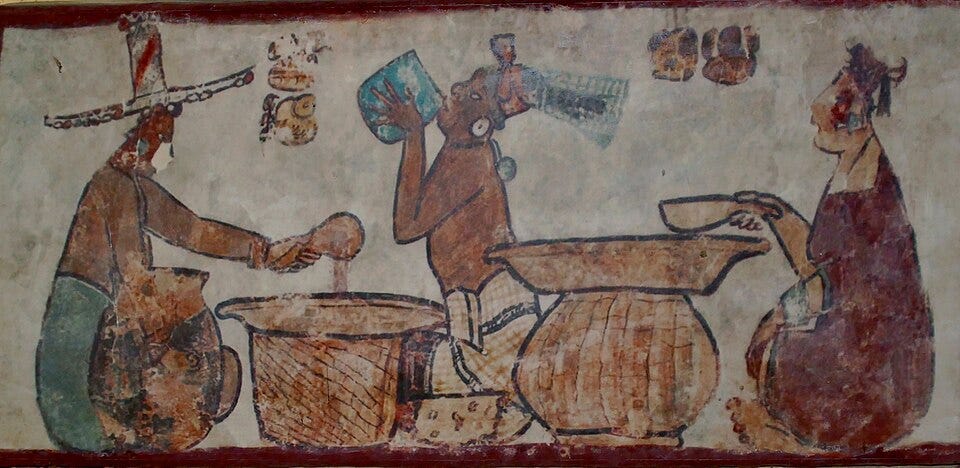
Reproduction of Mural from Structure I, depicting a prehispanic ceremony of maize brew being served. Calakmul Museum, Calakmul Archeological Zone, Campeche, Mexico. Bernard Dupont, CC BY-SA 2.0, via Wikimedia Commons
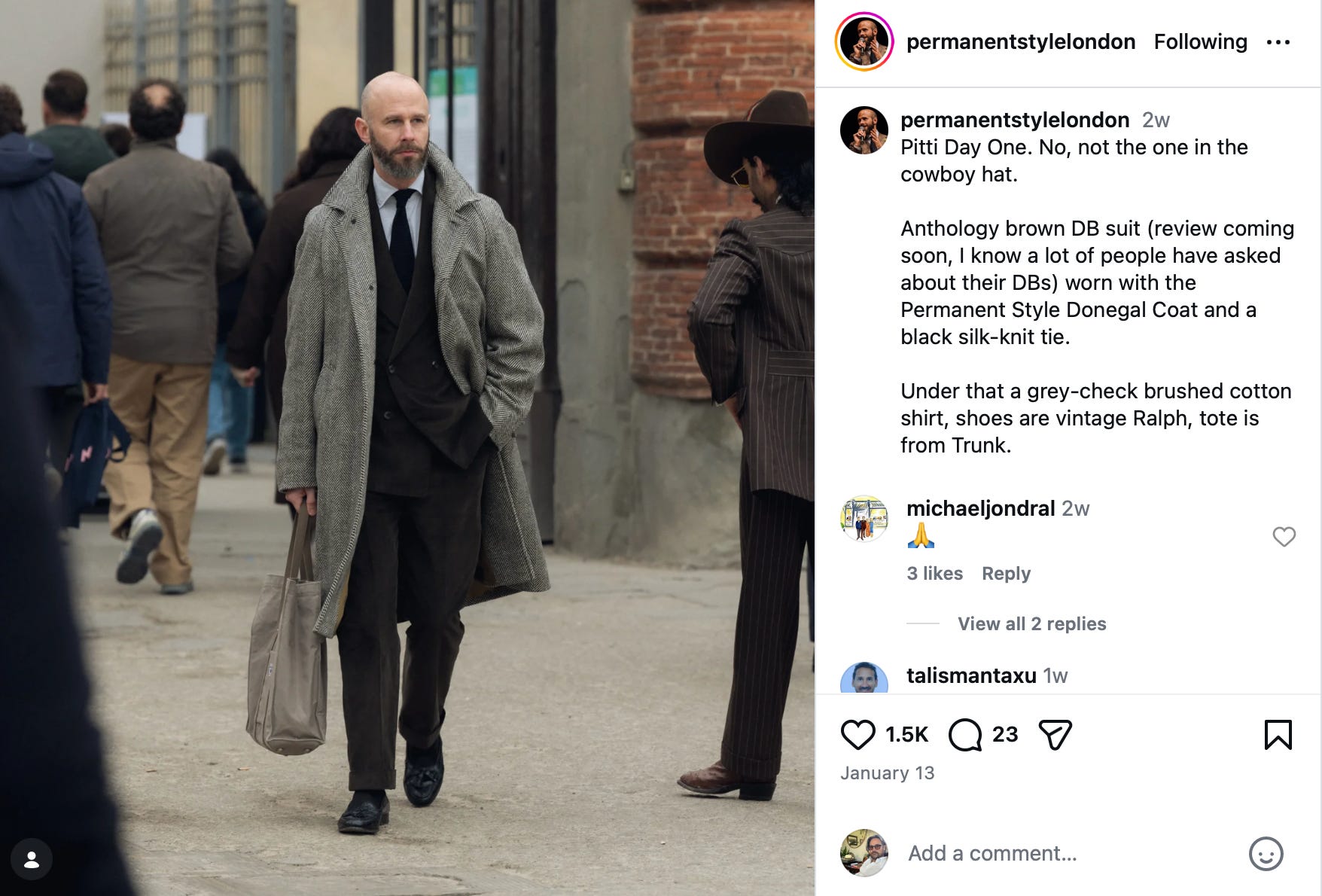
And then I remember how much Italians seem to love Western wear. It seems all fashionable Americans want to do is dress more Italian, and fashionable Italians want to dress more like cowboys. The Pitti Cowboy look has been a real thing for years now, and it’s still going strong in 2026, as this post from Simon Crompton shows:
I suppose you always aspire to the thing you can’t have, but there’s a lot of sartorial fun to be had in the middle. The elephant in the room for wearing a cowboy hat is to do everything possible to keep it from becoming a costume (the wearer will fail at this, but it’s helpful to have a sense of humor about it). For my part, I consciously style this hat with as little other Western stuff as possible—boots, denim or a belt buckle quickly tip it into too much yeehaw. I also have a bad habit of saying “howdy” to people, which becomes hilariously bad when I say it to people while wearing the hat—it’s one Western element too many.
A mirror selfie from the St. Regis, because I’m somehow vain enough to take photos of my outfits and write about them, but too shy to ask a stranger to take a photo of me or use a tripod.
As for my theory of dressing in the mountains in general, I’ve finally settled on fine knitwear as being the supreme choice. If you have a really nice sweater on, you’re properly attired for the mountains, for shot skis, film festivals and everything in between. The cowboy hat also pops up as a signifier for a certain kind of lunatic aprés ski partier, which on balance is an association I don’t really mind (though it was a cause for concern when someone asked me, based on my hat, if I was headed to Aspen while I was waiting for my flight out of LAX).
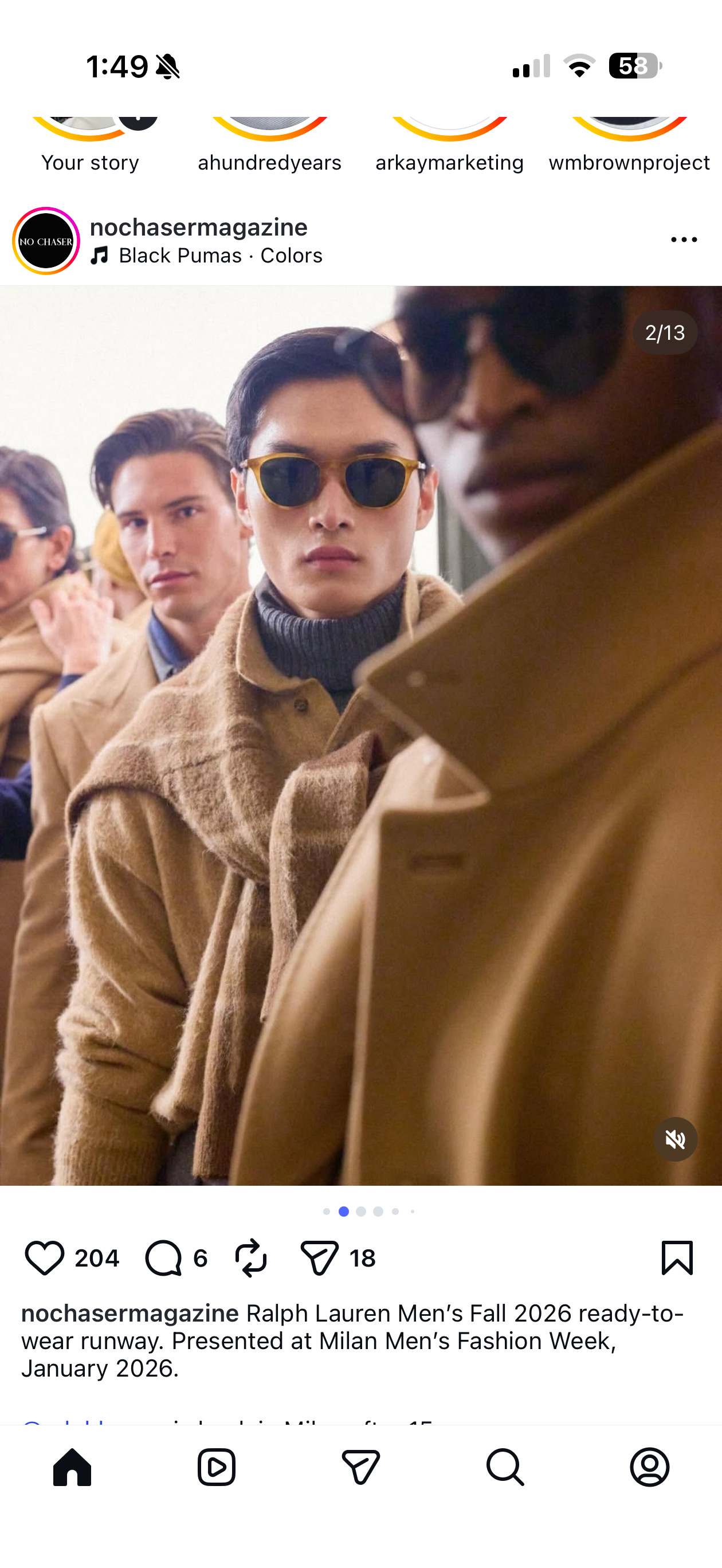
In terms of pairing the hat with camel hair polo coat, I don’t know what impression it creates, other than it being zeitgeisty. Ralph Lauren sent all his models down the runway in camel hair coats—so they are having a moment.
Of the hat and long coat look, one guy said I looked like a gangster, which feels like maybe a failure of language or imagination, unless he’s thinking of The Assassination of Jesse James by the Coward Robert Ford.
Weather-wise, I can say that camel hair and beaver felt stand up great to the elements, as they always have.
The hat’s only real enemy, with its substantial brim, is the wind.
III. Seen Us in Furs
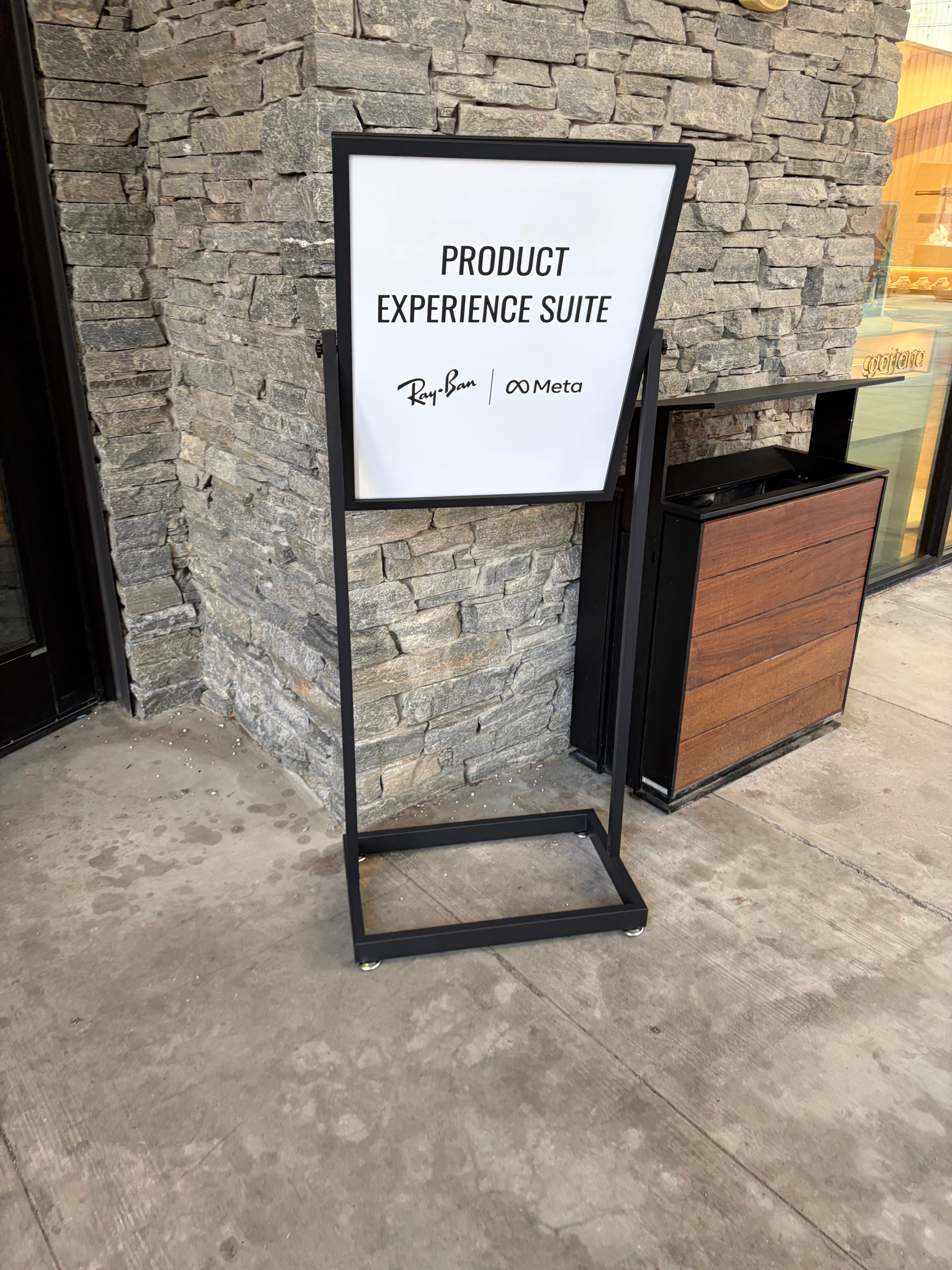
For Saturday, and as an initiation into the festival scene, it was time to show my friend the very strange and decadent aspects of a brand activation. Enter the Ray-Ban X Meta rooftop DJ party, which was equal parts fun and unhinged, despite the shot skis being more decorative than functional. While waiting in line to have our IDs checked, my friend, a kind of finance-y and managerial bloke, was immediately drawn to the Ray-Ban gifting suite. I was elated to explain to him that we would never see the inside of that room, which was washed in a blue light that we glimpsed as the door closed, as we were neither important, nor celebrities. We were merely two normal men, and the promotional world scarcely had any need of us.
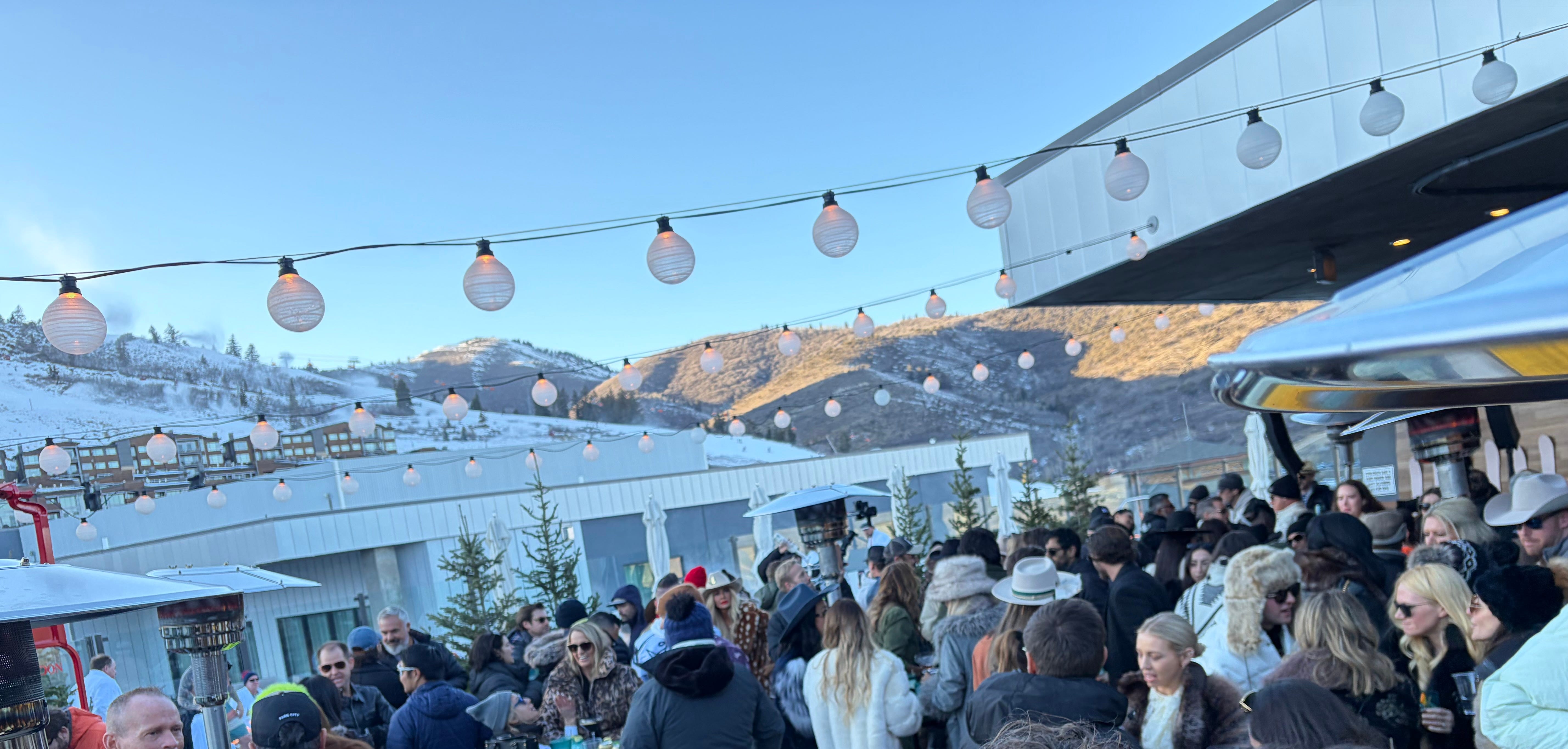
The party in question was on a hotel rooftop, and we were admitted just in time to see the blazing alpine sun (which felt great) dip behind the mountains, ushering in a kind of prolonged twilight lighting.
As soon as the sun departed, the winds began to whip, which made all the fur being worn at the party a prudent decision, and all the wide brimmed hats, susceptible as their surface area made them to catching the breeze, a liability. I was only too happy to leave the outer edges of the rooftop, and eventually, the party.3
Every great brand activation party can be improved by doing the activation. Here, the activity was for party attendees to take a self-portrait of themselves wearing Ray-Ban X Meta sunglasses in a giant mirror. I’m holding my hat here to keep it from being blown off.
We activated the brand, very little was learned, and we ended the day under a night sky full of stars in my friend’s jacuzzi.
Maybe it had something to do with it being the last year in Park City (a concept that drew a lot of people this year for nostalgia and a kind of final hurrah), but I found myself increasingly disinterested, finally inured maybe, in random/spontaneous partying for its own sake.
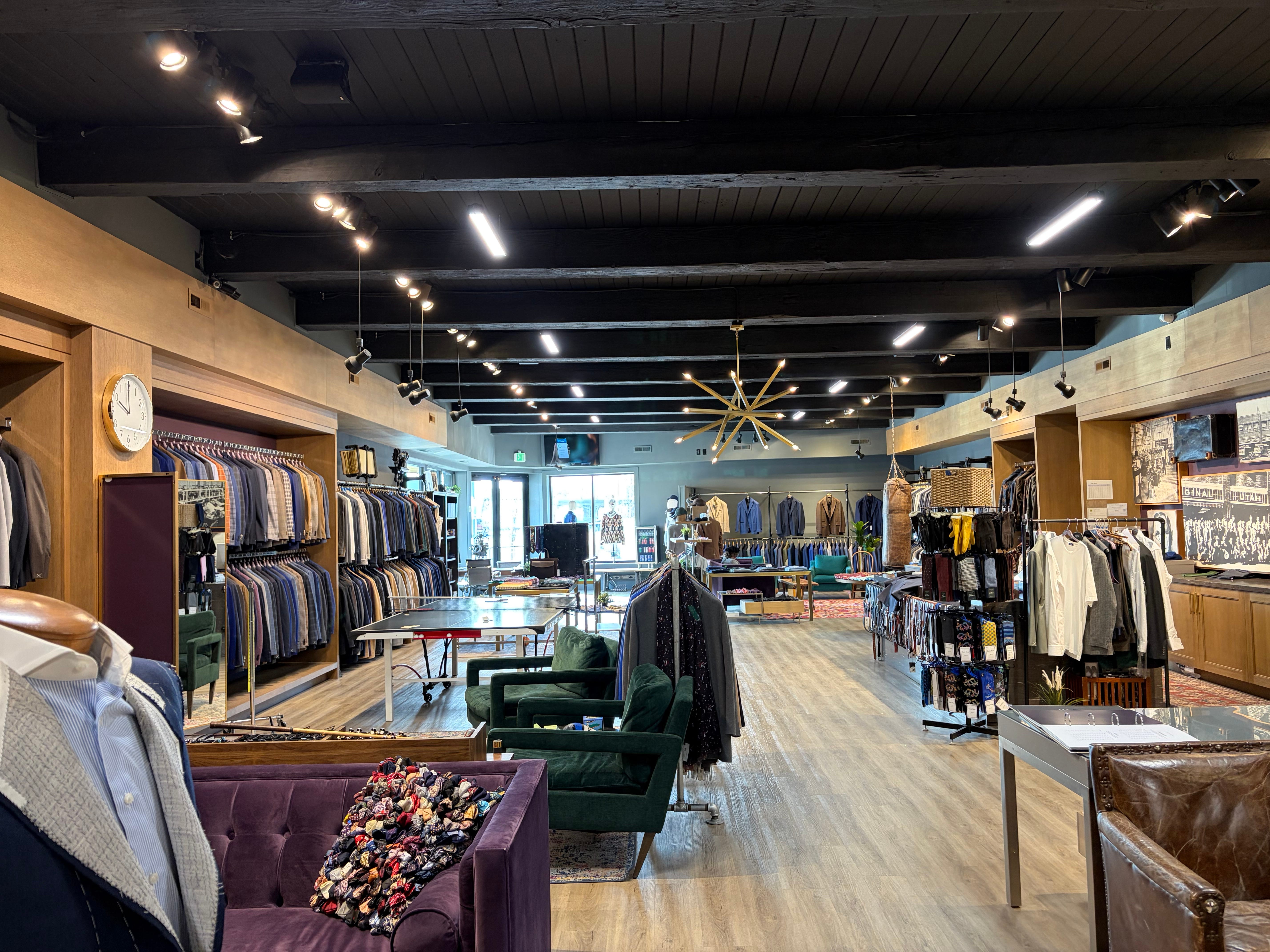
Earlier in the day, my friend took me to an incredible menswear store in the Salt Lake City area, United Woolen Mills, which has been in business for 119 years. This is an incredible, physical retail space, and I think it’s important to mention it. If you’re ever headed to Park City and like menswear, this is worth a stop. My friend joked that the finery of the items on offer would make me feel poor, and that was true (they are the rare, true independent store where they’ve sourced their own manufacturers and have their own makes for tailoring and other items, which carries a price point you’d expect). But better still, it reminded me that the world was still rich in experiences, if you could find the right people to guide you. If nothing else, what are old friends for?
The immaculate retail space of UWM menswear.
IV. The Zen View
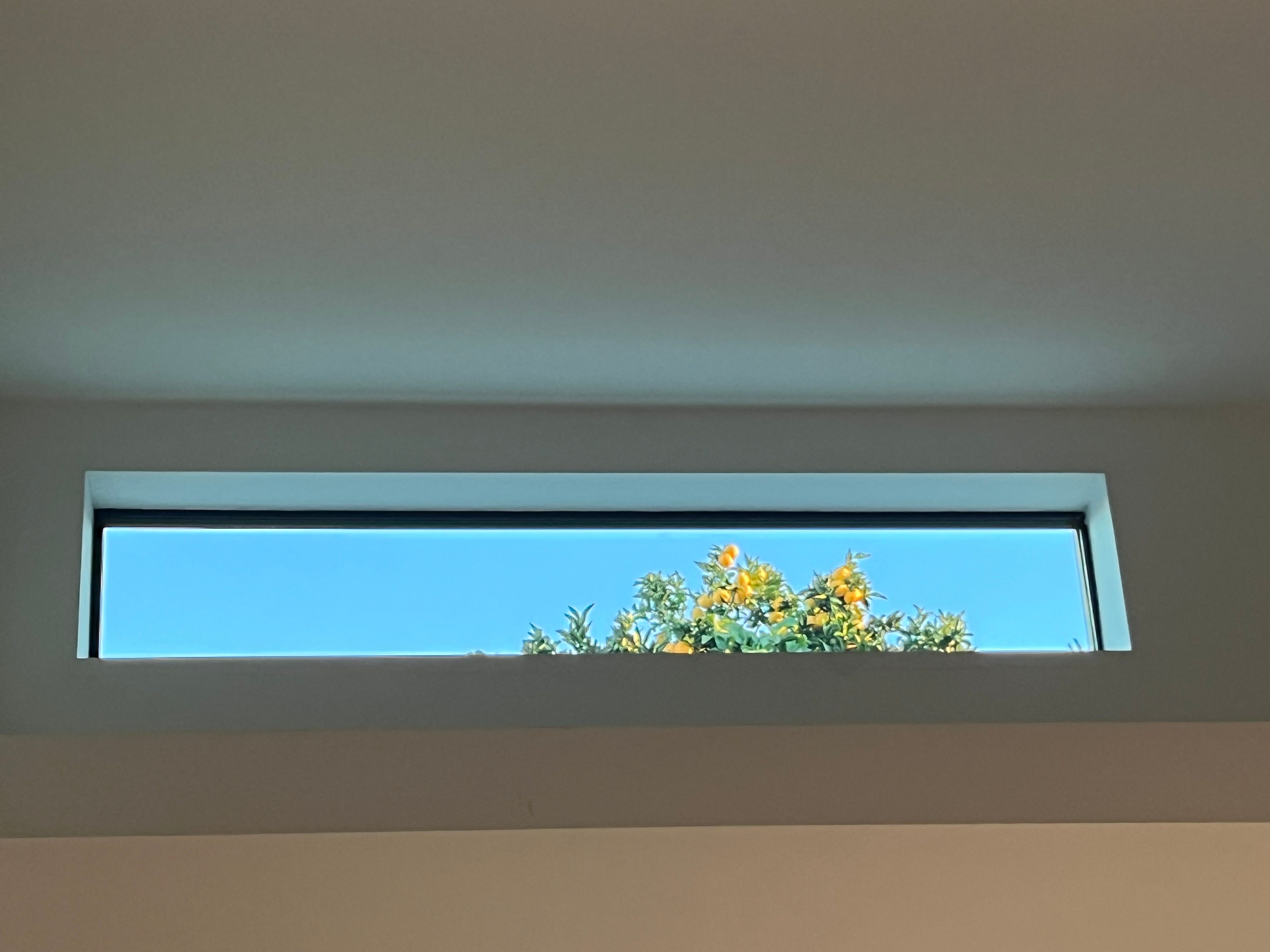
My sense of somehow having matriculated from Sundance has stayed with me a week later. In packing to go home, I was struck by one of the windows in my friend’s mountain home—it was a perfect encapsulation of Pattern 134, The Zen View in A Pattern Language (a design book I’ve written about and that’s had a huge influence on how I look at spaces).
The zen view on preparing to leave Park City.
As the authors/designers explain:
If there is a beautiful view, don’t spoil it by building huge windows that gape incessantly at it. Instead, put the windows which look onto the view at places of transition — along paths, in hallways, in entry ways, on stairs, between rooms. If the view window is correctly placed, people will see a glimpse of the distant view as they come up to the window or pass it: but the view is never visible from the places where people stay.
The idea here is that there’s something more thrilling, more satisfying, about seeing the view while in motion, while moving from one place to another. You can only get the view in transitioning from one room (or phase) to the next. Here’s another example of a zen view from a family member’s home in Los Angeles:
My cowboy hat theory is slipshod at best. I can’t be sure I’ll ever really figure that out. The zen view, on the other hand, I think can be understood and practiced immediately. One is always moving through the world, willingly or otherwise. Forgive the twee, naive aphorism here, but the knack is to take note of the view.
Or, as one friend quipped to me on Instagram (fittingly, a Meta company), “may you find the distribution you are looking for.”
//
Internet Bycatch
As the winter snows melt and glaciers recede, we find many useful and forgotten items, all awaiting examination.
Mapping the perimeter of a snow patch using high-precision GPS. Courtesy of National Park Service.
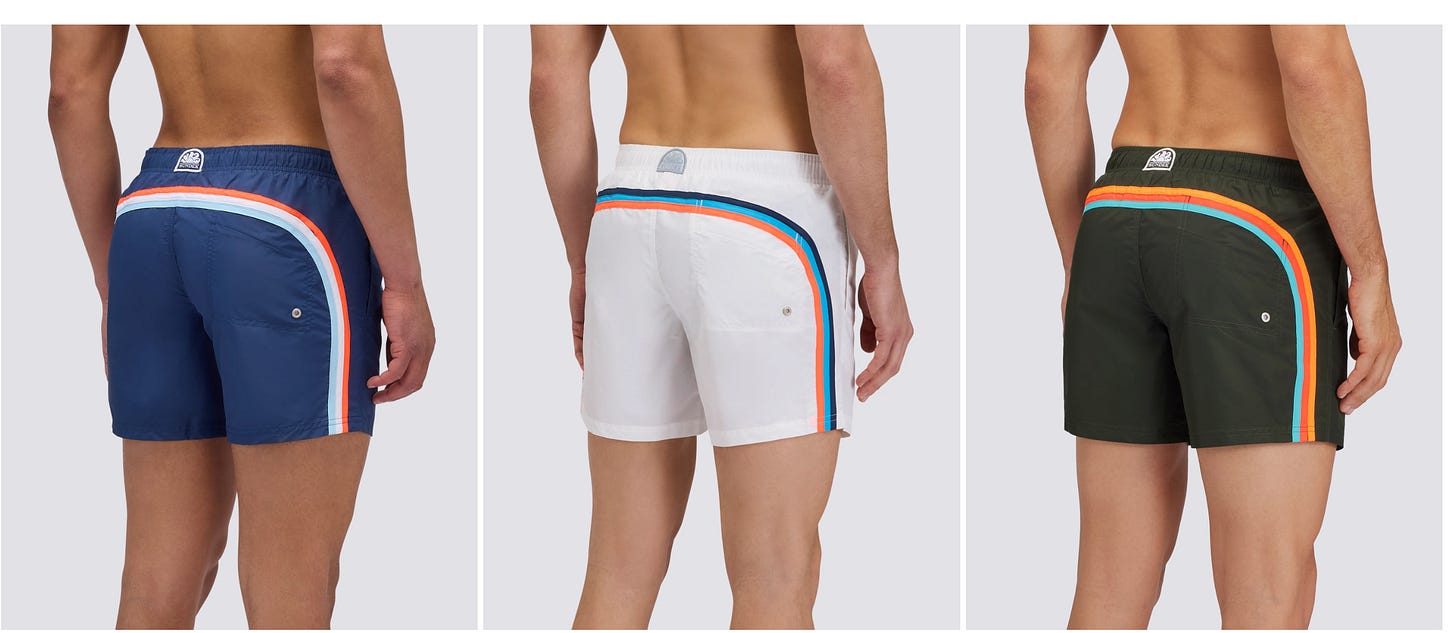
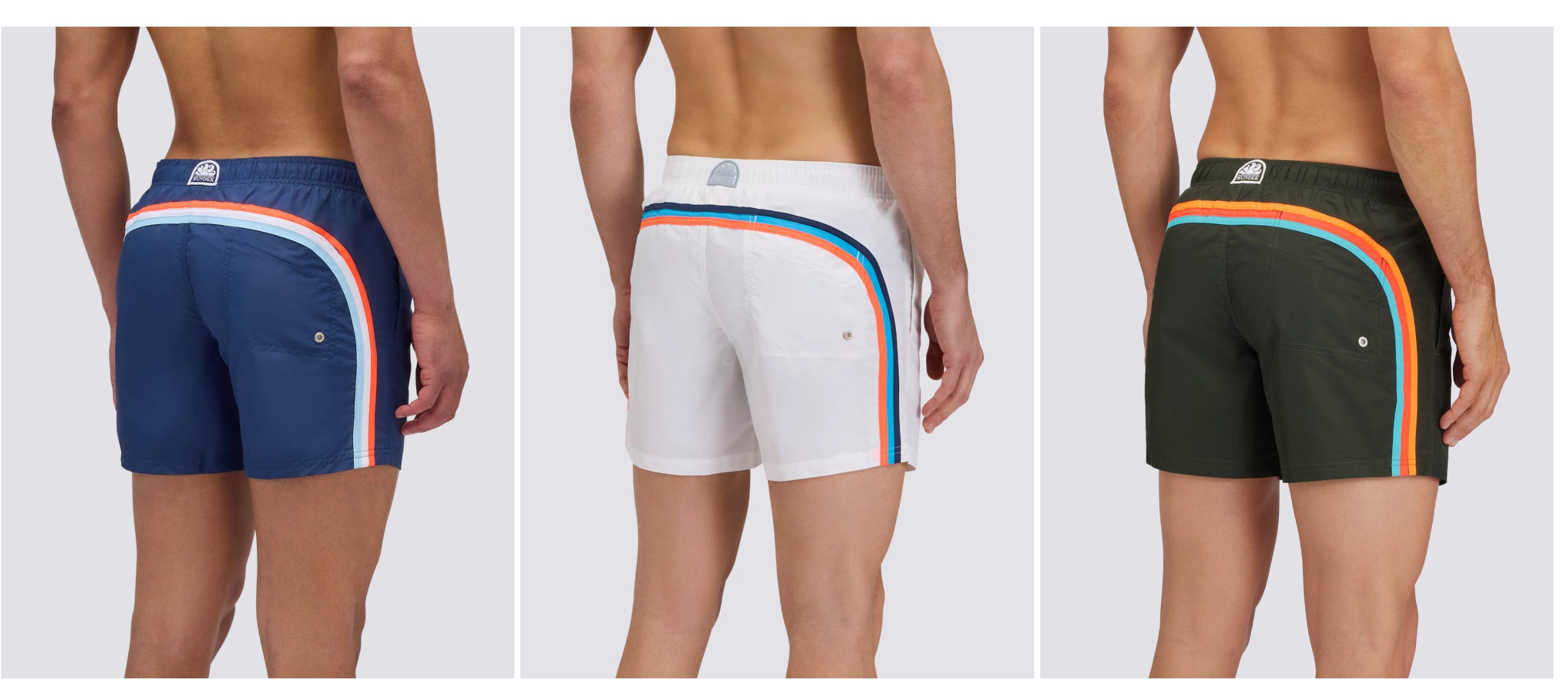
This year I’ll finally be ready to publish my complete theory of poolside style and swim trunks (I have way more years of theory and thought into that than cowboy hats). Some Sundek swim trunks (a brand favored by designer Sid Mashburn) to contemplate in the meantime.
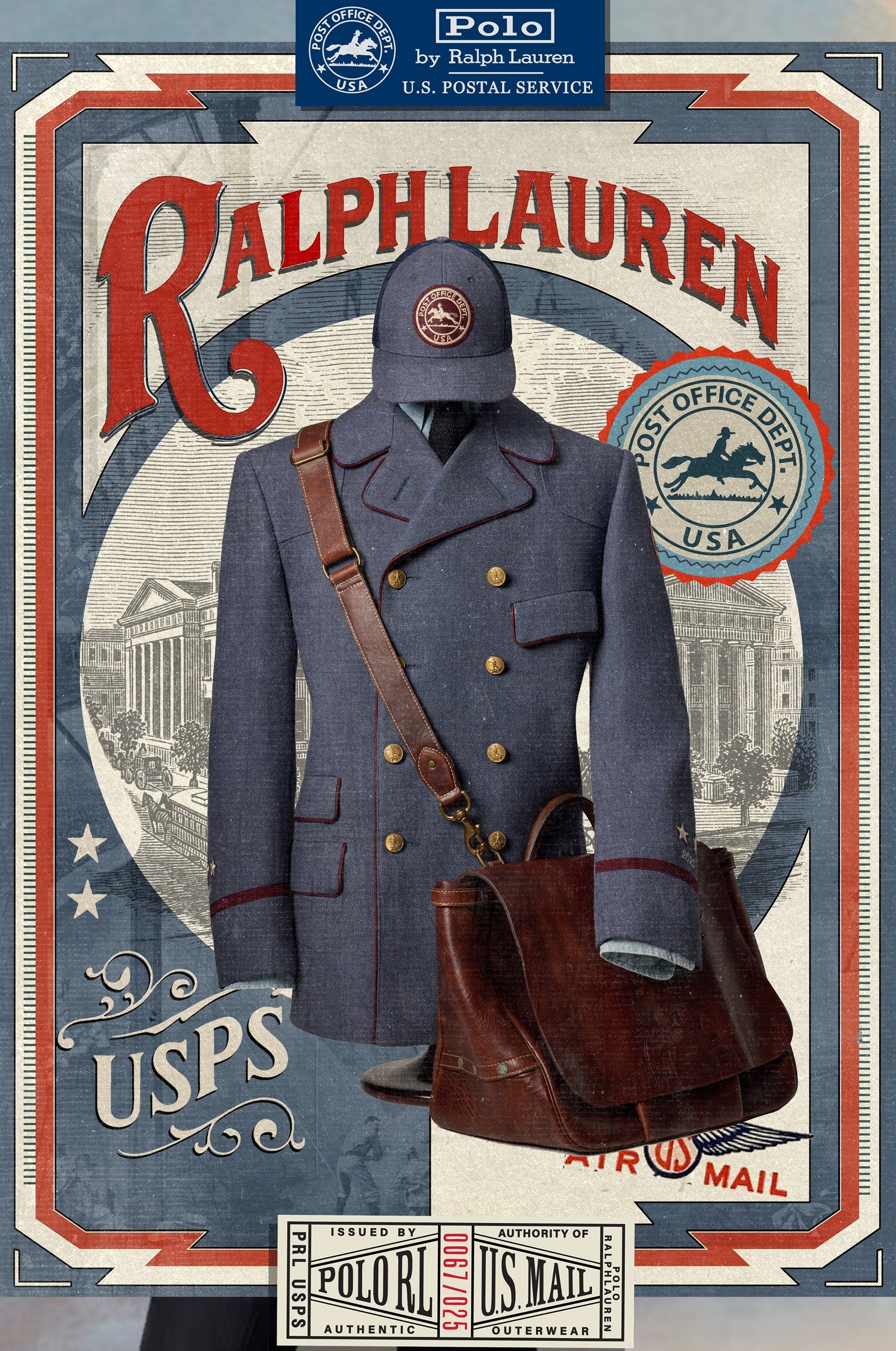
To celebrate the 250th anniversary of the U.S. Postal Service, Ralph Lauren is out with the jacket our letter carriers deserve.
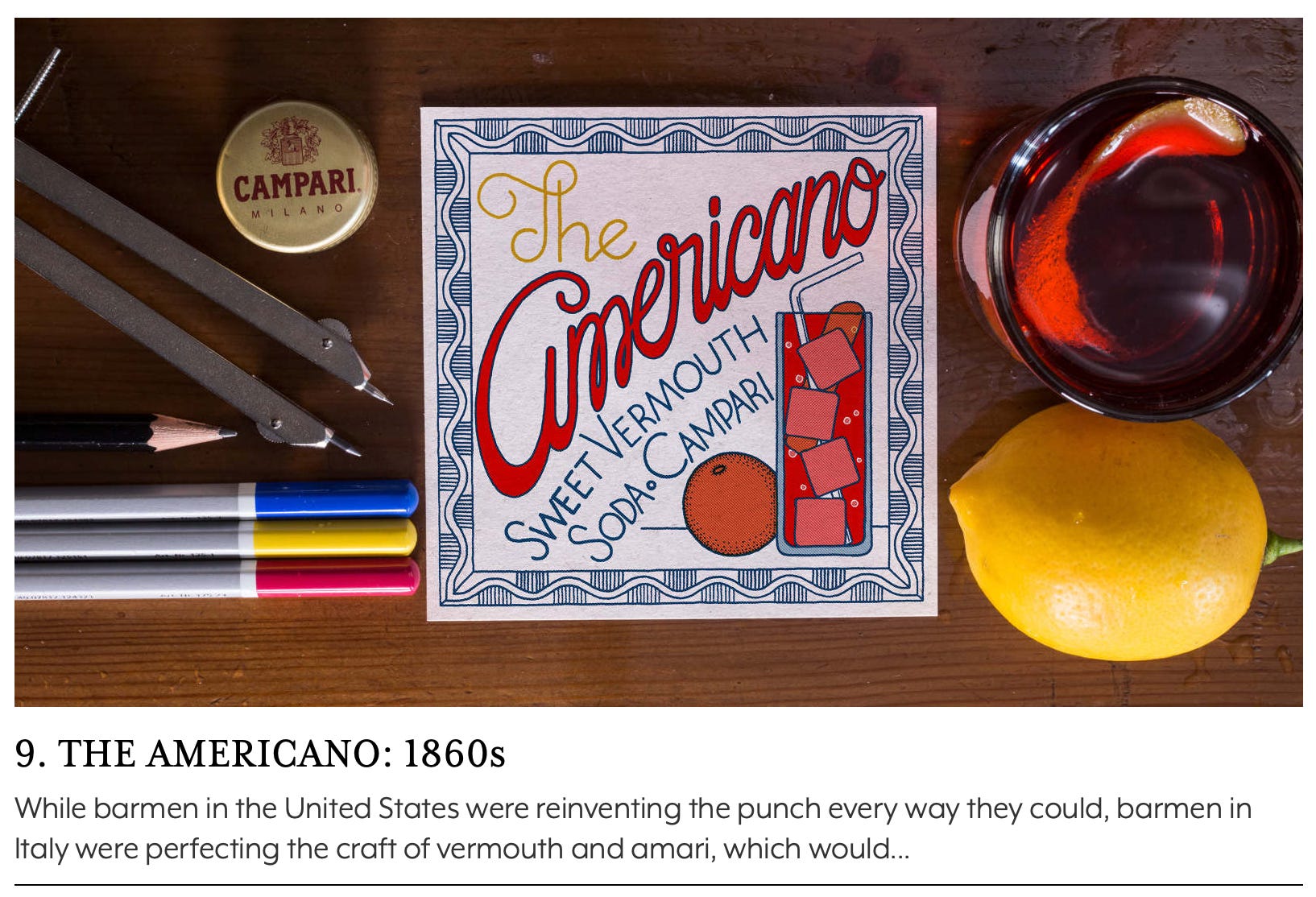
A cool project from Matthew Wyne, a graphic and brand identity designer: Letters and Liquor. Famous cocktails matched with typography from their respective eras.
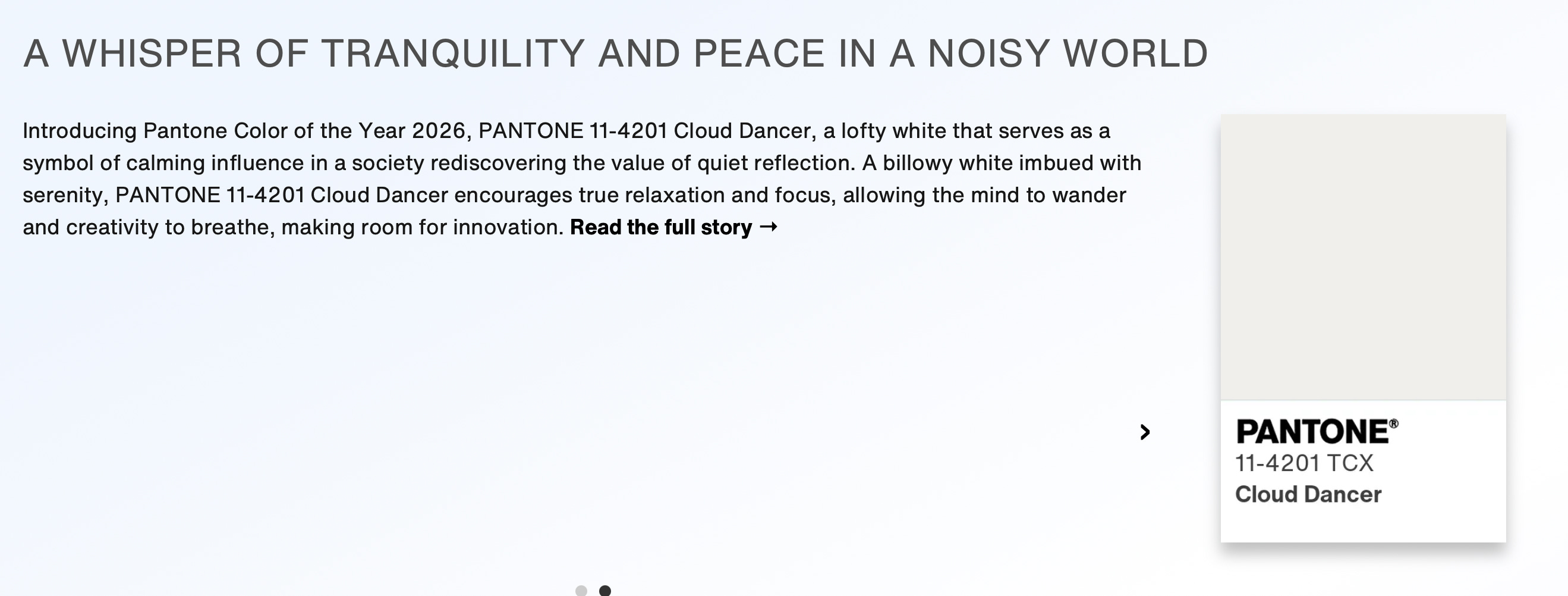
Pantone’s color of the year for 2026, Cloud Dancer, conveniently predicts our continuing somnambulism—whether one is dancing on or imprisoned in the clouds is immaterial. See you up there I guess.
Bowling alleys when you get a strike.
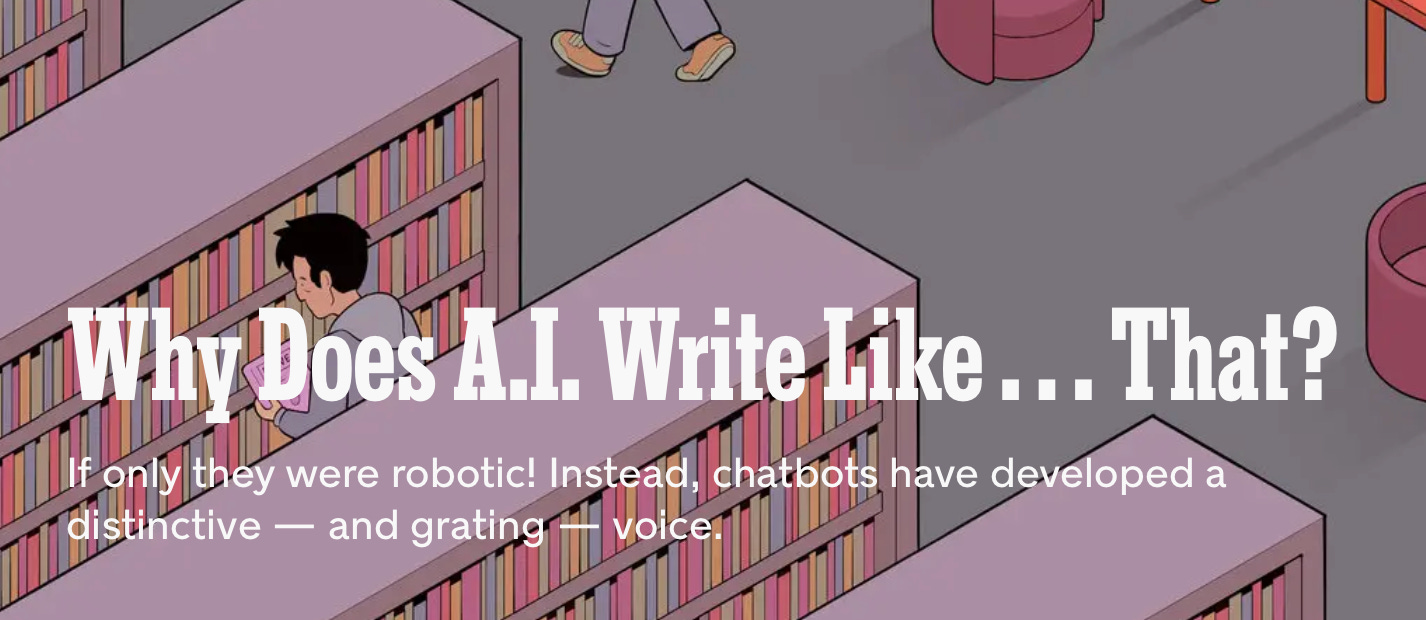
The incomparable Sam Kriss (who would likely hate being described as such), has a great breakdown on the garbage prose style of LLMs in NYT Magazine. Come delve into this rich tapestry, which is not just an article, but also very funny.
The A.I. is trying to write well. It knows that good writing involves subtlety: things that are said quietly or not at all, things that are halfway present and left for the reader to draw out themselves. So to reproduce the effect, it screams at the top of its voice about how absolutely everything in sight is shadowy, subtle and quiet. Good writing is complex. A tapestry is also complex, so A.I. tends to describe everything as a kind of highly elaborate textile. Everything that isn’t a ghost is usually woven. Good writing takes you on a journey, which is perhaps why I’ve found myself in coffee shops that appear to have replaced their menus with a travel brochure. “Step into the birthplace of coffee as we journey to the majestic highlands of Ethiopia.” This might also explain why A.I. doesn’t just present you with a spreadsheet full of data but keeps inviting you, like an explorer standing on the threshold of some half-buried temple, to delve in.
Robert Redford, the festival’s namesake-ish patron, died last year, and the festival itself seems to want associate itself with a more accommodating city, in the form of Boulder, Colorado. Accordingly, we’ll go from alcohol limiter caps at all the bars to freely available marijuana, which should make for a better filmgoing experience. As of press time, it’s not clear to me that I’ll ever attend such a thing.
I realize an entertainment lawyer might be characterized as a talentless middleman here, but I’d say I provide commercial certainty to art—I even say it on my website.
Two party highlights, beyond my friend’s exasperated disbelief at the general nature of the scene: (i) I met a man in bedazzled wrap around sunglasses, who told me he had financed a movie. He said he wouldn’t do it again, as it was not a winning investment; and (ii)another man came to the rooftop party in his hotel bathrobe. Stupidly, I asked if he was going to the jacuzzi, which was over by the DJ booth, stupendously, he answered: “I live in the jacuzzi.”